How to Effectively Control Pond Weeds
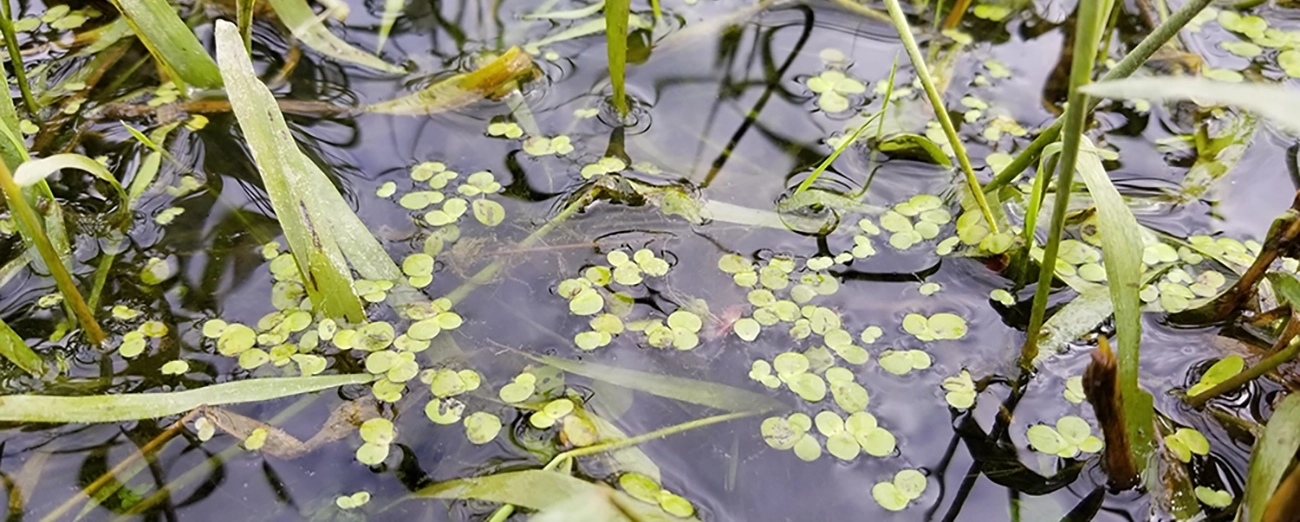
Table of Contents
• Identifying the Problem
•.Prevention is Key
• Control with Pond Chemicals
• Mechanical Control
• Aeration & Pond Fountains
• Pond Maintenance Plan
• Conclusion
• Other Resources
How to Control Pond Weeds
If you own a pond or lake in North Carolina, you know how important it is to keep it looking beautiful and healthy. However, if you’re dealing with pond weeds, you may be facing a frustrating and challenging situation.
Pond weeds can quickly take over a pond or lake, causing a range of problems, from decreased water quality to decreased property value. Additionally, foul odors and the pond’s fish habitat can not flourish in these static waters where the oxygen levels are depleted.
Fortunately, there are effective ways to control aquatic weeds in your stormwater ponds.
Learn More
Now sure what kind of Algae or Weeds you have in your pond? Pond Lake Management can help with Algae and Pond Weed Identification.
Algae Identification & Maintenance Blog
Pro Tip
Never fertilize to the edge of a pond or lake. Fertilizers will run off into ponds during rain storms or watering and promote the growth of harmful weeds and algae. We suggest establishing a twenty-yard “Fertilizer Free” buffer zone from the pond’s edge.
Identifying the Problem
The first step to control pond weeds in your stormwater pond is to identify the weeds or algae growing in your pond. Aquatic weeds come in many different forms, including algae, cattails, duckweed, and water hyacinth. Each type of weed requires a different approach to control it effectively.
The best way to identify the problem is to consult with a professional who can help you determine the specific type of weed in your pond.
To help you determine what type of weed in pond or algae is overtaking your pond, visit the Pond Lake Management Algae and Weed Identification page. For additional help with pond weed control call Pond Lake Management or request a Pond Assessment.
Prevention is Key
Prevention is the best way to control aquatic weeds in your stormwater pond. Some of the most effective ways to prevent aquatic weeds from taking over your pond include reducing nutrient inputs, minimizing disturbance to the shoreline, and installing barriers to prevent the spread of invasive species.
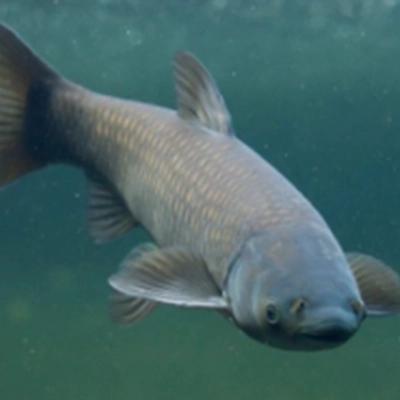
Additionally, you can plant native vegetation around the pond to help absorb excess nutrients and provide a buffer zone to protect the shoreline. Some species of fish can help control weeds and grass in ponds. View our blog post on “The Green Carp and it’s role in Fish Pond Maintenance.”
Control with Pond Chemicals
If prevention methods are not enough, chemical control may be necessary to effectively control aquatic weeds in your stormwater pond. There are many different herbicides and algaecides available that are specifically designed for aquatic use.
It’s important to follow the label instructions carefully when using these products, as they can be harmful to fish and other aquatic life if used improperly. If you know how to properly use weed control chemicals visit our full selection of Algaecides, Herbicides, Water Dyes & Surfactants.
Mechanical Control
Mechanical control is another option for controlling weeds in your stormwater pond. This can include hand pulling, raking, dredging, and using mechanical harvesters. While mechanical control can be effective, it’s often time-consuming and labor-intensive, and may not be feasible for larger ponds or lakes.
Pro Tip
Using Alum can help improve water conditions. Alum helps remove the nutrients that pond weeds need to grow. Learn More: Read our Blog Post, “How to Improve Pond Water Quality with Pond Water Alum Treatments”